
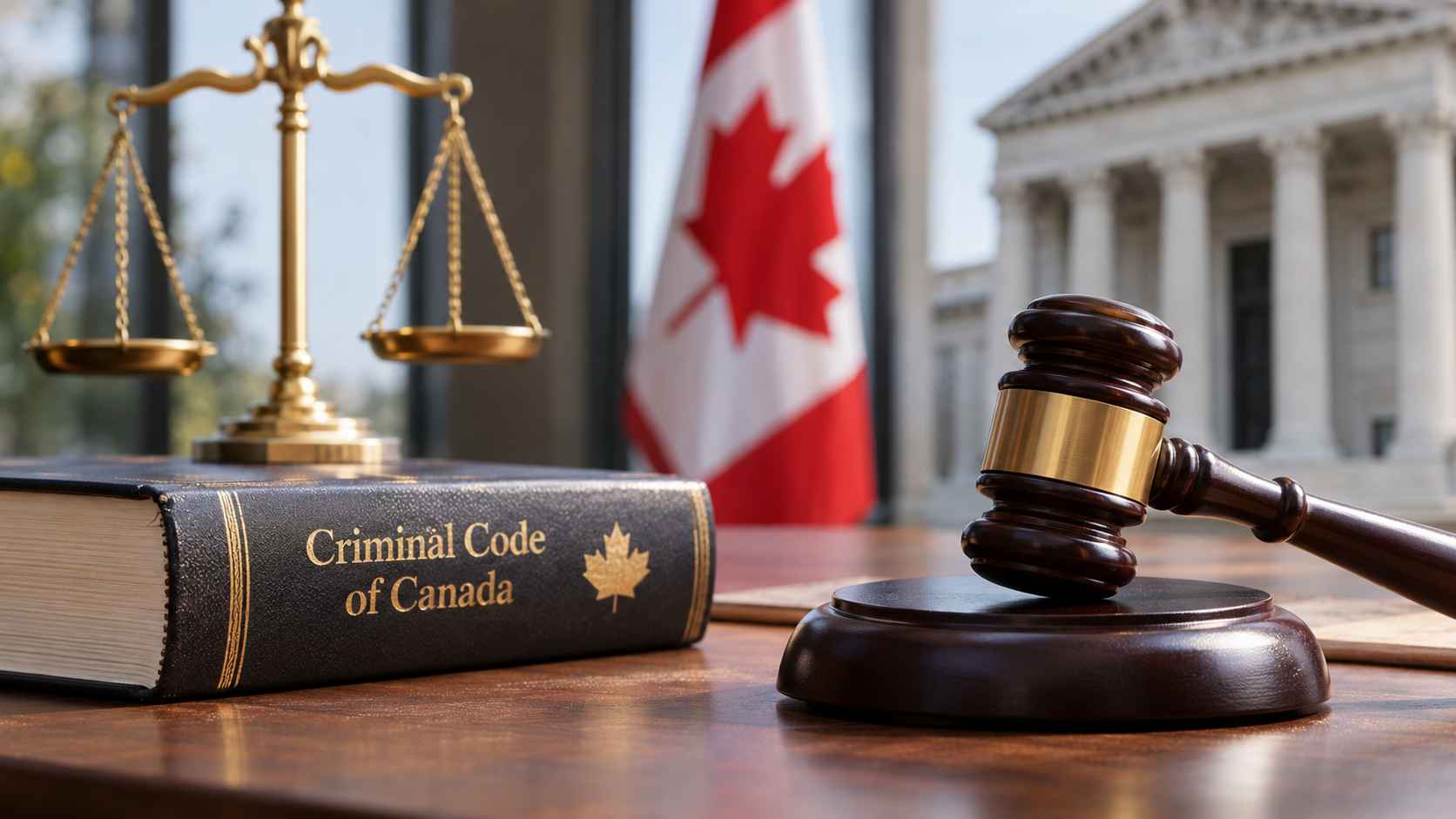
Being accused of a criminal offence can be a confusing and stressful experience. For many Canadians, the criminal justice system is unfamiliar until they or someone they know becomes involved in a legal matter. Understanding how criminal charges work, what rights individuals have, and why due process matters can help people approach these situations with greater clarity.
Canada’s criminal justice system is built on principles of fairness, accountability, and the presumption of innocence. These principles help ensure that allegations are examined carefully and that individuals have an opportunity to respond before legal conclusions are reached.
Whether a person faces a minor criminal charge or a more serious allegation, understanding the legal process is essential to recognizing how justice is administered.
What Happens When Someone Is Accused of a Criminal Offence?
A criminal case often begins when police receive a complaint, witness a suspected offence, or identify potentially unlawful activity during an investigation.
Police may interview witnesses, collect physical evidence, review surveillance footage, or examine other relevant information to determine whether an offence may have occurred.
Depending on the circumstances, an individual may be questioned, arrested, or formally charged. However, an investigation does not automatically mean criminal charges will follow.
For individuals facing allegations in Toronto or nearby Ontario jurisdictions, understanding available legal protections is particularly important. Criminal defence practitioners such as Stephen Jack Criminal Lawyer assist individuals in navigating criminal proceedings and understanding the legal processes affecting their cases.
If charges are laid, the accused may be released with instructions to attend court or, in certain circumstances, held for a bail hearing.
The process that follows depends on the offence, the available evidence, and the applicable legal procedures.
Understanding the Difference Between an Allegation and a Conviction
One of the most important principles of Canadian criminal law is that an allegation is not the same as a conviction.
An allegation is a claim that someone has committed an offence. It may arise from a complaint, police investigation, or witness statement. However, the existence of an allegation does not establish that the accused person is guilty.
A conviction occurs when an accused person is found guilty through the legal process, including following a trial or an accepted guilty plea.
In contested criminal trials, the prosecution must prove guilt beyond a reasonable doubt. This is a demanding legal standard intended to reduce the risk of wrongful convictions.
The presumption of innocence remains in place throughout criminal proceedings unless guilt is established according to law.
This distinction is important because public accusations, police charges, and media reports can sometimes create impressions before all relevant evidence has been examined.
Why Understanding Legal Rights Matters
The Canadian Charter of Rights and Freedoms provides important protections for individuals involved in the criminal justice system.
These protections help ensure that police investigations and court proceedings respect fundamental legal principles.
Important rights include:
-
The right to legal counsel: Individuals who are arrested or detained have the right to retain and instruct a lawyer without delay and to be informed of that right.
-
The right to be informed: People who are arrested or detained must be promptly informed of the reasons, while those charged with offences have the right to know the specific allegations without unreasonable delay.
-
The right to remain silent: Legal protections against self-incrimination help safeguard individuals during criminal investigations and proceedings.
-
The right to a fair trial: Accused individuals are entitled to proceedings before an independent and impartial tribunal.
-
The presumption of innocence: The prosecution carries the burden of proving criminal guilt beyond a reasonable doubt.
Canada’s Criminal Code establishes many criminal offences and provides rules governing investigations, arrests, bail, trials, and sentencing.
Understanding these protections does not mean that individuals can disregard lawful police directions or court orders. Rather, it helps them recognize their rights and responsibilities during the legal process.
The Role of Police Investigations and Court Proceedings
Police investigations and court proceedings serve different purposes within Canada’s criminal justice system.
The police are responsible for investigating suspected criminal activity and gathering relevant information. Their work may involve interviewing witnesses, examining documents, collecting forensic evidence, or conducting searches where legally authorized.
Once charges proceed through the justice system, prosecutors assess the available evidence and determine how the prosecution should move forward.
In Ontario, individuals facing criminal charges generally attend an initial court appearance, where procedural matters such as disclosure and future court dates may be addressed.
Disclosure involves providing the accused with relevant information gathered during the investigation, subject to applicable legal rules and exceptions.
Depending on the circumstances, a case may involve further appearances, discussions between the prosecution and defence, legal motions, or a trial.
Not every criminal charge results in a trial. Some proceedings conclude through withdrawals, stays, guilty pleas, or other legally recognized resolutions.
When a case goes to trial, the court evaluates admissible evidence and determines whether the prosecution has established guilt beyond a reasonable doubt.
Why Evidence and Witness Statements Matter
Evidence is central to determining what happened in a criminal case.
Different types of evidence may be considered, including physical objects, electronic communications, photographs, video recordings, forensic findings, and witness testimony.
However, evidence must be examined in context.
A witness may honestly describe an event while remembering certain details incorrectly. Similarly, a video recording may capture only part of an incident without revealing what occurred beforehand or afterward.
Courts must therefore consider the reliability, credibility, relevance, and admissibility of evidence.
Defence lawyers may examine whether evidence was obtained lawfully, whether statements are consistent, and whether the information supports the allegations being made.
The prosecution also has responsibilities relating to the presentation and disclosure of evidence.
Importantly, evidence is not evaluated solely on whether it supports an accusation. Information that contradicts an allegation or raises reasonable doubt can also be significant.
This careful examination helps ensure that decisions are based on legally admissible evidence rather than speculation.
The Role of Criminal Defence Lawyers
Criminal defence lawyers play an important role in protecting legal rights and supporting fair proceedings.
Their responsibility is not simply to dispute allegations. They also help clients understand the charges, review disclosure, assess legal issues, and make informed decisions about available options.
Depending on the circumstances, a lawyer may communicate with prosecutors, address bail-related matters, challenge the admissibility of evidence, question witnesses, or represent an accused person at trial.
Individuals seeking criminal defence legal representation may benefit from understanding how legal counsel can help them navigate unfamiliar procedures and evaluate the specific circumstances of their case.
Effective representation involves careful preparation, an understanding of criminal law, and attention to the evidence.
While legal representation cannot guarantee a particular outcome, it can help ensure that an accused person’s position is properly presented and that relevant legal protections are considered.
Why People Should Avoid Judging Criminal Cases Too Early
Public discussions about criminal allegations often begin long before court proceedings are complete.
News reports, social media conversations, and personal accounts may contain incomplete or conflicting information.
Although public interest in criminal matters is understandable, forming conclusions before evidence has been tested can be misleading.
An arrest does not establish guilt. A charge does not mean a conviction is inevitable. Similarly, an acquittal does not necessarily establish that every aspect of an allegation was false; it means guilt was not established to the required legal standard.
These distinctions matter for accused individuals, complainants, witnesses, and the wider community.
Respecting due process means recognizing that courts must evaluate evidence according to established legal standards rather than public opinion.
It also means acknowledging that criminal proceedings involve complex circumstances that may not be fully visible outside the courtroom.
Avoiding premature judgments supports fairness and reinforces confidence in the justice system.
Conclusion: Why Due Process Matters in Canada
Canada’s criminal justice system depends on a careful balance between investigating suspected offences, protecting public safety, and respecting individual rights.
Due process helps ensure that criminal allegations are assessed fairly, evidence is properly examined, and legal decisions are reached through established procedures.
Understanding the difference between an accusation and a conviction, recognizing fundamental legal rights, and appreciating the role of criminal defence lawyers are important aspects of legal awareness.
Ultimately, a fair justice system requires more than investigating allegations. It requires giving every accused person a meaningful opportunity to respond while ensuring that decisions are based on evidence, the law, and established principles of justice.


